
Essential Amharic Greetings And Cultural Etiquette

Author
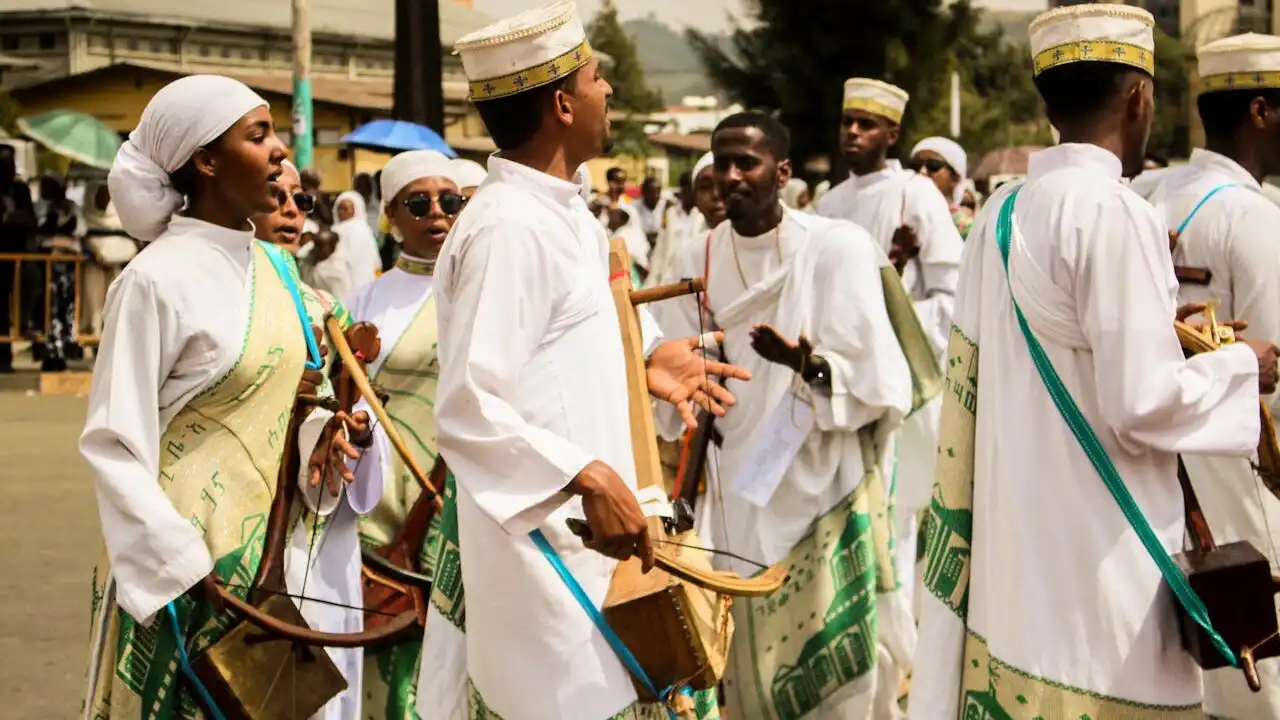
Greetings are incredibly important in Ethiopian culture.
In many Western countries, a quick “hi” or a brief nod is enough as you pass someone on the street.
But in Ethiopia, greeting someone is a ritual. It’s a way to show respect, build trust, and connect with people.
I always tell my students that you can’t separate Amharic from the culture of Ethiopian people.
Learning how to properly greet someone in Amharic will do more for your language journey than memorizing hundreds of vocabulary words from a textbook. It opens doors and wins hearts.
In this guide, I’ll walk you through the most essential Amharic greetings, how to ask people how they’re doing, and the cultural rules you need to know.
Table of Contents:
How to say hello in Amharic
When you first start learning Amharic, the very first words you should master are the basic greetings. There are two main ways to say hello: one is formal and universal, and the other is casual.
The formal and universal hello: Tenayistilign
The most common and respectful way to say hello to anyone in Amharic is ጤና ይስጥልኝ (Tenayistilign).
Literally translated, this means “May God give you health on my behalf.” You can use this with strangers, elders, shopkeepers, or anyone you want to show respect to. Because it doesn’t change based on who you’re talking to, it’s a very safe and polite word to use everywhere in Ethiopia.
ጤና ይስጥልኝ
The casual hello: Selam
For friends, people your own age, or in informal situations, you can simply say ሰላም (Selam).
Selam literally translates to “peace.” It’s very similar to the Arabic salaam or the Hebrew shalom. It’s short, easy to pronounce, and widely used across all regions of Ethiopia.
ሰላም
A quick note on local slang: If you’re hanging out with young people in Addis Ababa (the capital), you might also hear the word ታዲያስ (Tadiyas). This is a very casual slang greeting that means something like “What’s up?” Only use this with close friends!
Asking “how are you?” in Amharic
This is where Amharic grammar requires you to pay a little bit of attention.
Unlike English, Amharic is a gendered language when you’re talking directly to someone. The word for “you” changes depending on whether you’re talking to a man, a woman, a group of people, or someone you need to show formal respect to (like an elder).
The basic phrase for “how are you?” is እንደምን አለህ (Endemin aleh), but the ending changes based on who you’re speaking to.
Here’s a simple table to help you remember:
| Who you’re speaking to | Amharic | Transliteration |
|---|---|---|
| Male (informal) | እንደምን አለህ | Endemin aleh |
| Female (informal) | እንደምን አለሽ | Endemin alesh |
| Plural (a group of people) | እንደምን አላችሁ | Endemin alachu |
| Formal / Elder (respectful) | እንደምን አሉ | Endemin alu |
How to respond
If someone asks you how you’re doing, the most common and polite response is to say “I am well, thank God.”
ደህና ነኝ።
እግዚአብሔር ይመስገን።
Time-specific greetings (morning and night)
While Tenayistilign and Selam work at any time of day, Ethiopians also use specific greetings for the morning and the evening.
Just like “how are you”, these phrases change depending on the gender and number of the people you’re speaking to.
Good morning
To say good morning, you use the root word አደረ (adere), which relates to spending the night. You’re essentially asking, “How did you spend the night?”
- To a man: እንደምን አደርህ (Endemin aderh)
- To a woman: እንደምን አደርሽ (Endemin adersh)
- To a group: እንደምን አደራችሁ (Endemin aderachu)
- Formal/Elder: እንደምን አደሩ (Endemin aderu)
Good night
When it’s time to go to sleep, you tell someone to rest well. The root word here is እደር (eder).
- To a man: ደህና እደር (Dehna eder)
- To a woman: ደህና እደሪ (Dehna ederi)
- To a group: ደህና እደሩ (Dehna ederu)
- Formal/Elder: ደህና ይደሩ (Dehna yideru)
How to say goodbye
Saying goodbye in Amharic is quite simple! The most proper way to say goodbye translates literally to “be well.”
Again, you adjust the ending based on who you’re talking to:
- To a man: ደህና ሁን (Dehna hun)
- To a woman: ደህና ሁኚ (Dehna hugni)
- To a group: ደህና ሁኑ (Dehna hunu)
However, if you spend any time in Ethiopia, you’ll notice a massive Italian influence from the brief period of Italian occupation in the 1930s. Because of this, almost everyone uses the Italian word Chaw to say goodbye in casual situations!
ቻው
Cultural etiquette: the Ethiopian way of greeting
As I mentioned earlier, learning the words is only half the battle. To truly speak Amharic naturally, you need to assimilate into the culture and learn the body language that goes with the words.
Here are the essential cultural rules you must follow when greeting someone in Ethiopia:
1. The polite handshake
When you shake someone’s hand, especially someone older or more respected than you, you should always use your right hand. To show extra respect, lightly support your right forearm or elbow with your left hand during the handshake. This is a beautiful gesture that shows humility.
2. The shoulder bump
If you’re a man greeting a close male friend, you’ll often see the traditional Ethiopian shoulder bump. You shake hands and gently bump your right shoulders together once or twice. It’s a sign of brotherhood and friendship.
3. The cheek kisses
When close friends or family members (of the same sex, or between men and women who know each other well) greet each other, they kiss each other on the cheeks. Usually, it’s three kisses: right cheek, left cheek, right cheek.
4. Bowing for elders
Respect for elders is a pillar of Ethiopian culture. When greeting an older person, lower your head in a slight bow as you shake their hand. Wait for them to extend their hand first.
5. Don’t rush
In Western cultures, greetings are fast. In Ethiopia, greetings take time. It’s considered rude to just say “hello” and immediately start talking about business. You must ask about their health, their family, their work, and their day. Enjoy the moment!
Putting it into practice
I always encourage language learners to speak up, even if you accidentally use the male ending for a female or vice versa.
Ethiopians are incredibly warm and hospitable people. If they see a foreigner making an effort to learn Amharic and participate in their greeting culture, they’ll be thrilled.